Extreme weather in the US has propelled feed prices to record highs in the last days and weeks, and the effects are being felt by livestock producers on this side of the Atlantic according to Sandy Wilson, Import Manager with the International grain traders, Cargill PLC.
He said “Upwards of 50 million metric tonnes have been cut from U.S. Corn, and soyabean production estimates in the last few weeks, as the U.S. ‘corn belt’ has endured some of the worst drought conditions seen in decades.
“Below-normal precipitation and above-normal temperatures have persisted through the critical pollenation stage for corn over the last few weeks. This has caused analysts to revise their yield expectations for U.S. corn sharply lower, and has sent global prices sharply higher.”
Mr. Wilson emphasised “The benchmark No2 US Yellow Corn Futures for December 2012 has risen $220 (over 40% rise) within the last month.”
He went on to say that likewise, the condition of US soyabean crop is already declining and soyabeans are entering their own critical stage of the growing season with no significant relief in the weather forecasts yet.
These supply shocks come at a time when global supplies were already tightened after 20 million tonne of lost soyabean production in Brazil and Argentina earlier this year. The effect has been soyameal prices which have reached historical highs. Soyameal is the primary source of protein for many European animal feed diets and is vital for the intensive pig and poultry sectors.
At a time of reducing supply global demand has continued to increase. This may seem counter-intuitive when, in Europe, we sit squarely in an economic downturn. The driver of the increase in global demand continues to be China. The increasing urbanisation and rising prosperity of China’s growing population have led to a consistent rise in demand for feed ingredients in volumes which dwarf European requirements.
The steep rise in feed ingredient prices presents a huge challenge to the European livestock industry with little or no option to avoid the increases. Other feed ingredients like Rapemeal, Sunflower Meal and Distillers Grains have not been able to offer any relief as they have also risen sharply on the tide.
The animal feed trade throughout Ireland is making enormous strides in developing a unique sampling and testing scheme which will underpin the food industry throughout the island.

Commenting on the scheme at a recent Northern Ireland Grain Trade Association lunch, Professor Patrick Wall , of University College, Dublin who chairs the technical committee responsible for the scheme told NIGTA members “The food industry is now a global market with more opportunity than ever coming from an increasing world population and higher demand for food. The feed industry is the first step in the Food Chain and has become more and more complex with raw materials coming from all over the world. If anything goes wrong in this chain it has wide ranging ramifications for everyone involved in the agri-food industry. It can lead to product recalls which can be both costly and challenging due to the complexity of the food chain. For example, a pizza made in Northern Ireland could be made up of ingredients from 32 countries. Facts like these give an indication of how a product recall on one ingredient could be like looking for ‘a needle in a haystack’”
Pat Wall went on to point out that like the foundation of a house, the feed supply industry supplies the first building blocks of a successful agri-food industry. There needs to be good traceability systems, risk management and a due diligence approach to build consumer confidence. Collaboration with the Regulators, whose role is to monitor and verify that the feed sector has appropriate controls in place, is vital. We are also dependent on controls in other jurisdictions for preventing risks coming into Northern Ireland. There is an increasing risk from co-products, by-products from ethanol production, raw materials coming from outside the EU and potentially criminal activity.

If there is a food scare, the whole industry suffers and it can have wide reaching effects especially when Ireland’s dependance on exports is considered. Risk management has a key part to play and the feed trade North and South are working on several fronts to manage the risk and protect the feed and food industries. Through UFAS (Universal Feed Assurance Scheme) a more strategic approach to analytical testing is being devised so that tests are carried out in a more uniform pattern to ensure even distribution of analysis over the year. The trade is working with Queens University on a project to analyse when companies are carrying out their testing and which tests they are doing to see if this could be better organised to ensure a full 12 months coverage of due diligence testing at no extra cost.
Professor Wall finished by posing the question “What business are you in? Is it the feed business, food business, or food safety business. I would suggest you are in the Human Health business. Consumer confidence in food safety and human health is key to a successful industry for everyone.”
Professor Wall Meeting June 2012


GRAIN TRADE EMPHASISES ITS ROLE IN THE AGRI FOOD CHAIN
“A very busy schedule with detailed attention to all aspects of the work of the NI Grain Trade Association and of the agri food sector generally” was how the incoming President, Owen Brennan, described the work of the outgoing President, Claudine Heron at the Association’s annual general meeting. Owen went on to say that as NIGTA’s first lady president she had set a very high standard for future presidents.
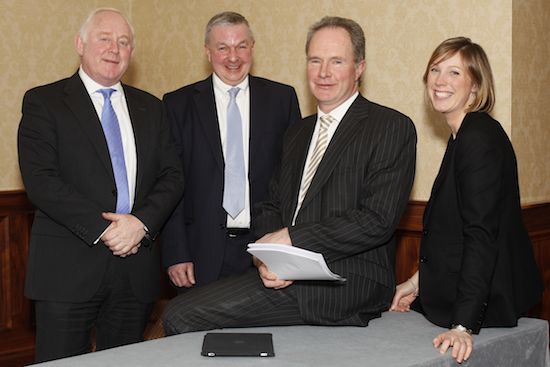
Presenting her Presidents’ report Claudine outlined how NIGTA had carried out lobbying activities regarding a vast range of subjects which included GMO legislation, food exports, TSE, IPPC regulations, the A5 Western Corridor, enriched cages, feed labelling, grain passports , heavy goods vehicle charging and feed safety and auditing.
Describing how this work was accomplished Claudine outlined a long list of industry and government leaders and organisations which NIGTA had networked and negotiated with in order to work on behalf of NIGTA members and for the benefit of the agri food industry generally.
AGRI TECHNOLOGY LEADER HEADS NIGTA.

Owen Brennan was elected President for 2012 at the Northern Ireland
Grain Trade Associations’ annual general meeting. This is Owen’s second term in the post having previously held the office in 2002. An active supporter of the agri food industry Owen also held the position of Chairman of the Livestock and Meat Commission (LMC) for Northern Ireland from 2002 to 2009.
Owen is Executive Chairman of Devenish Nutrition, an Agri-technology company based in Belfast. His commitment to the agriculture and food industry stems from his farming and business background, and from his own personal interest in, and knowledge of the sector. He graduated in 1982 from University College Dublin with a degree in Agriculture and in 1992 with an MBA from the Smurfit Business School. His work experience in the grain and feed compounding industry, and his present role as Chairman of an agri-technology company support his belief that the agricultural industry is an integral part of the food industry.
In 1997 Owen headed the management team, which acquired Devenish Nutrition, a company dedicated to intensive research, development and manufacturing of quality premixes and speciality products for the intensive livestock sector. The Company continues to develop with two locations in the USA and a network of key distributors, partners and clients throughout Europe, USA, Africa, Asia and South America.
The new vice President of NIGTA is Alan Johnston while David Malseed and Stephen Burrell were re-elected Honorary Secretary and Treasurer respectively.
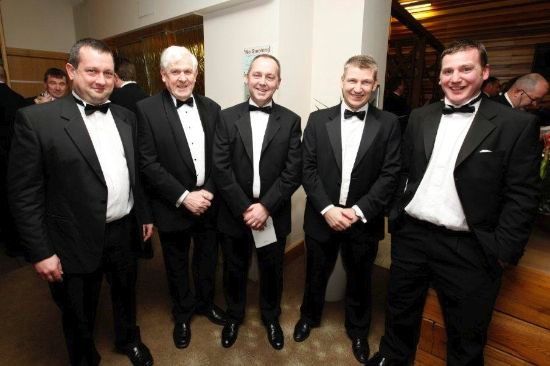
NIGTA AGM 2012
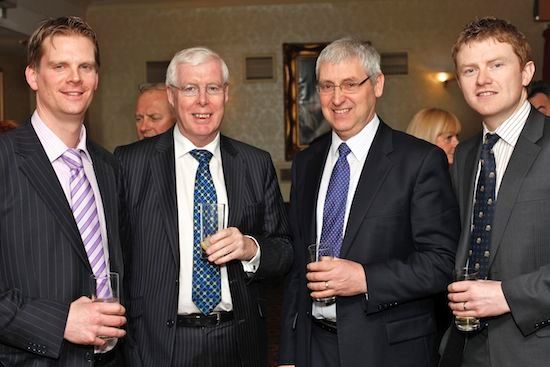
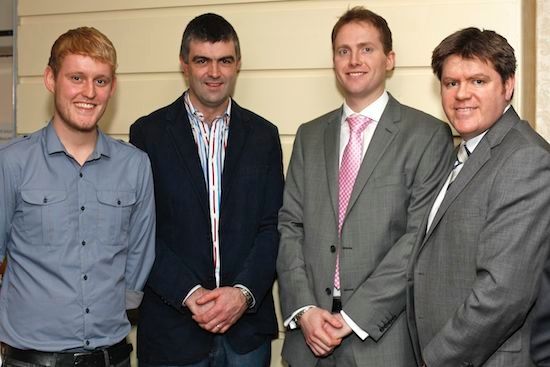
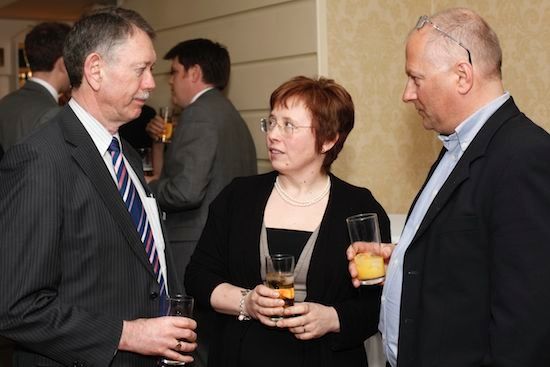
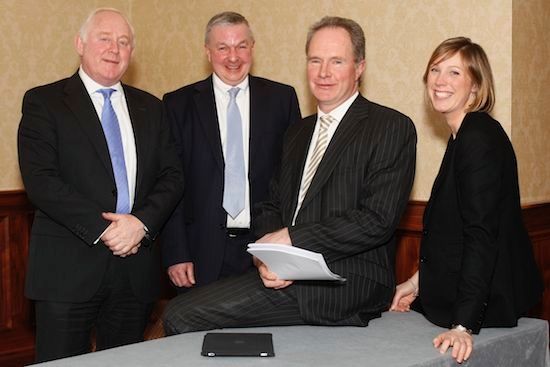
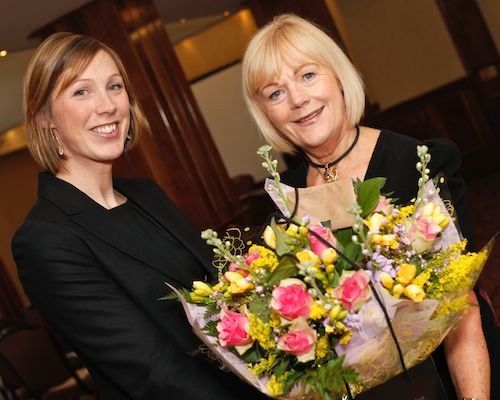
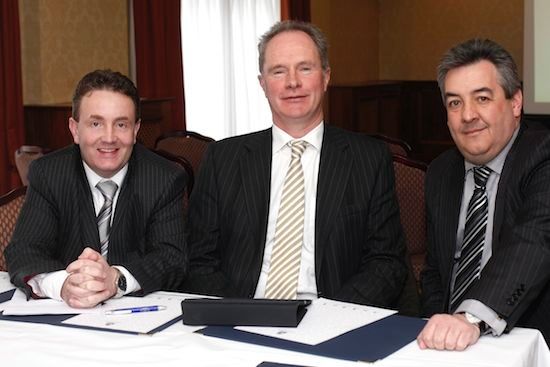
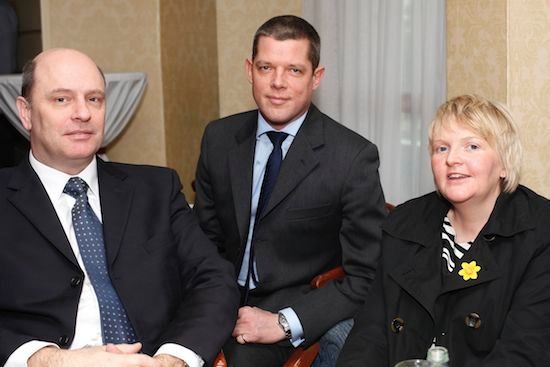




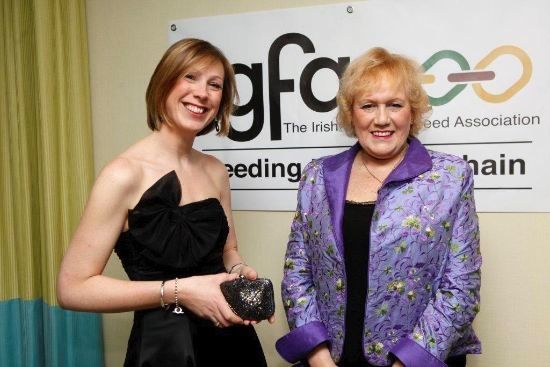
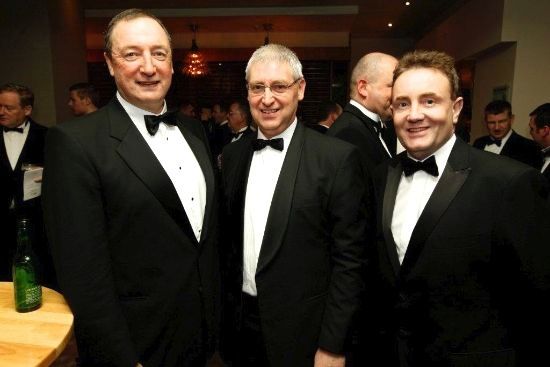
The imminent launch of a feed safety programme which will operate throughout the British Isles has been commended by Patrick Vanden Avenne, President of FEFAC, the organisation which represents all of the European feed trade associations.

Patrick Vanden Avenne was visiting Ireland as guest speaker at the Irish Grain and Feed Trade Association’s annual dinner in Dublin. During dinner, the NI Grain Trade President , Claudine Heron outlined the feed safety programme that NIGTA is developing in conjunction with the GB feed trade organisation, Agricultural Industries Confederation.(AIC) and with the Irish Grain and Feed Association in the South.
Patrick was delighted to hear this news pointing out that it replicated the best practice schemes which were already in place in Belgium and the Netherlands.
During his address at the dinner Patrick outlined the pivotal role FEFAC plays on behalf of the industry. As European spokesperson representing all the local European trade associations, such as IGFA, NIGTA and AIC, Patrick spoke about the lobbying role FEFAC takes to shape European Agricultural Policy at a Commission level. He spoke of their success in honing recent Dioxin legislation to target the primary sector’s responsibility, rather than placing a burden upon the entire industry which would have involved enormous costs, and he welcomed the Irish industry’s actions to address feed safety, citing Belgium and the Netherland’s risk based systems as best practice.
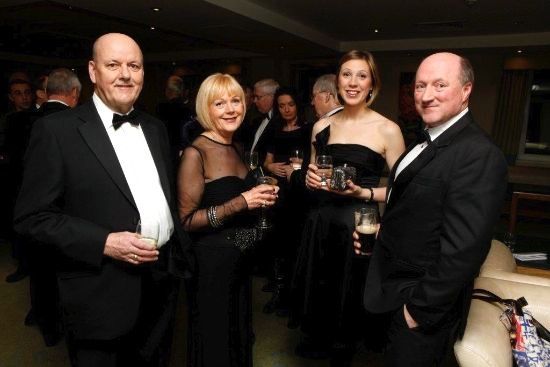
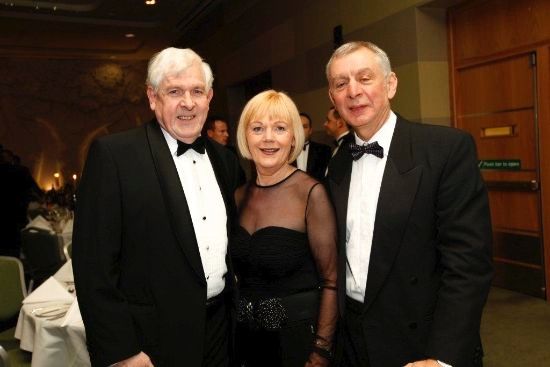
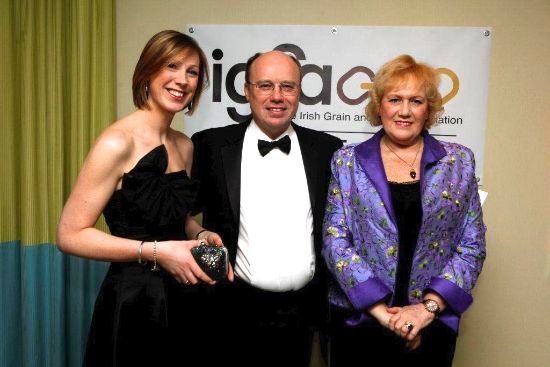
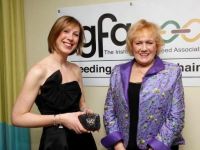
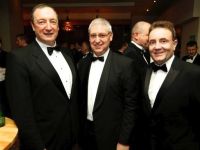
IGFA Dinner 2012





Soaring protein prices and unprecedented volatility across a range of the key feed ingredients is presenting a grim outlook for livestock producers at a time of year when we normally expect to see prices easing back in the lead up to a new harvest, according to the Northern Ireland Grain Trade Association
Weakness in the worlds’ financial markets could be expected to produce an easing in commodity prices but instead the fundamental issues of supply and demand are driving the markets to record levels.
Demand for soya is the principal driver – with concerns about a 20 million tonne shortfall in the South American crop leading to a surge in demand for US soya beans. This comes at a time when the soya acreage in the US has lost out to an increase in maize plantings in response to high prices for this crop from the feed and biofuel industries.
The prospects for the coming soya harvest are not good with much of the crop suffering stress from hot, dry weather in the principal growing areas. This puts increased pressure on the stocks of old crop material – giving rise to a record tight soya crop balance sheet.
The impact on other protein materials such as rape meal, distillers grains and corn gluten has been a dramatic increase in prices and an increase in demand leading to technical shortages of material.
In Europe, grain harvests have been delayed by variable weather and the markets have firmed in response to concerns about harvest and the late arrival of new crop material.
As a result the entire commodity basket has been affected by volatility at a time when feed manufacturers are looking to take forward contracts at favourable prices .
In the short term the trade will be inclined to move forward cautiously taking short term cover in the hope that harvest prospects might improve or the economic climate may change.
The implication, for the intensive sector in particular, where there is no alternative to soya as the principal protein source, is for higher priced feed and an urgent need for the food chain to respond to increased cost of production. ?
Speech from President, Owen Brennan
New NIGTA President speaking at the Annual Dinner

To focus on food, we have seen more change of a fundamental nature in the last five years than we have in the previous 20. We have seen for example the closing price gap between Southern Hemisphere sources and our own for major commodities such as Beef and Lamb. In the case of Dairy, we have seen a closing of the cost advantage enjoyed by New Zealand in comparison to these islands. The global supply/demand dynamics are changing – and in our favour! However we also know that higher prices have in many cases been met with significantly accelerating costs, leaving net returns under pressure. In addition these general trends which are widely felt to be long term in nature have been accompanied by significant market volatility.
This week for example we have seen a 10 point fall in New Zealand Dairy auction prices.
While predicting the future remains as always a notoriously unreliable occupation best left to economists, there are some trends here on which a view can certainly be taken.
This week we have seen a company from our own trade and members of the IGFA, Connollys – Red Mills secure registration and a contract for supply of Horse Feed to China as part of a recently announced Chinese/Irish partnership in Thoroughbred Horse feeding. Well done to Joe and Bill Connolly who are leading that effort. The stated value to Ireland of this partnership over 3 years is €40m.

In the same week Kerrygold have announced a contract for UHT milk again to the Chinese market. I understand the annual sales of UHT milk in China are worth €8 billion a year.
In the UK and Republic of Ireland and in Europe generally there has been a significant change in perspective on the food industry. Over the last 20 years, it is fair to say that the UK and somewhat more surprisingly the Republic of Ireland has neglected and in some cases actively impeded its food industry through a combination of political and economic decision making, which saw a lack of interest in development and growth.
At a European level, this lack of commitment and interest was also evident in policy making which at times acted as if the status quo would always prevail, food would always be cheap and plentiful.
Europe also saw itself as being able to impose conditions on food production and supply which were at variance with policy and practise elsewhere in the world e.g. the opposition to new technologies which could reduce production costs.
So for example, we face the ludicrous outcome that a European farmer cannot produce meat or milk from a non-approved grain or soya variety, however, meat and milk products produced from the same non-approved varieties are free to flow into the European food market without restriction.
Indeed why should there be a restriction, as there is no proven risk nor indeed any capability to distinguish food produced from non European approved varieties from those approved, as the DNA does not pass the digestive system of the livestock consuming.
Even if the DNA did pass, there has not been recorded one single proven case globally of human ill health or mortality associated with the genetic modification of feed ingredients.
So there you have it, a policy at European level faithfully implemented at UK and Republic of Ireland level to protect consumers from a risk which does not exist, but which damages UK and Irish food producers and processors and exposes them to unnecessary and serious business risk. Lest there be any doubt as to the consequences in real terms of this process, consider in 2007 the loss of maize and maize by-products in the UK and Irish feed market. In Northern Ireland these accounted for approximately 15% of the feed supply and the good news was that it was possible to replace these products with grain and soya. The less good news was of course that grain and soya were already very expensive and in short supply and these additional costs were ultimately passed back to already hard pressed primary producers and processors. In Northern Ireland alone the grain trade estimate of the costs involved were £15m. This is in an economy where the total income from all Agricultural production is typically in the range of £150m and this only after the receipt of single farm payment. An argument is sometimes made that these policies benefit European cereal producers but a benefit which results in making the customer for locally produced grain significantly uncompetitive is unlikely to be good business. It is also important to observe that bad as this situation was in 2007, it was at least soluble. If the problem had affected Soya, it could not have been solved as the EU is and is likely to remain for the foreseeable future a deficit area for protein. Since 2007, we have also had the introduction of the so called technical solution where a 0.1% tolerance has been introduced for non-approved varieties. This small though critical concession on which the lobbying of our own industry had a significant influence, helps to reduce the business risk and cost earlier referred to, - however it does not eliminate it.
The opportunity for our sector was further highlighted in Northern Ireland in March with the launch of the NIFDA Appetite for Growth report which highlights the contribution made by Agriculture and Food to the local economy, almost £4 billion in sales and almost 100,000 people employed directly and indirectly, combined with significant opportunities for further growth over the next 10 years.
Features of this report that I would highlight are its independent preparation which gave it significant added credibility, combined with the clarity of its conclusions and recommendations.
This initiative, and others before it, have been taken in many cases by customers of NIGTA and are I believe worthy of our attention and support. Michael Bell has promised to make copies of this report freely available to all who require it.
It makes good reading and is highly relevant to our business.
Apart from its independence, the report makes clear the significant prospects of growth and this in sectors of direct interest to NIGTA including Dairy, Poultry, Beef and Lamb. To achieve this growth will require significant co-ordination between our sectoral interests and our political and public sector institutions. This is in the context of an economy in Northern Ireland which has a clearly enunciated policy to grow private sector employment and has identified food and agriculture as a highly significant focus for this growth.
In addition, we have seen the publication of a strategic plan for our sector, “Focus on Food”, which was authored by Industry and Government working together. Once again the opportunity is highlighted with a clear pathway for implementation, NIGTA applauds these efforts, the Appetite for Growth Work under the Chairmanship of Tony O’Neill of Moy Park who is our guest this evening and supported by the team at NIFDA. The Focus on Food work, chaired by Trevor Lockhart of Fane Valley, supported by the members of the Industry Advisory Panel with DARD, DETI and Invest NI again many of whom are our guests.
You have all given very generously of your time and we realise the importance of this to our industry and wish to do our part in continuing to support your efforts.
To that end, the Northern Ireland Grain Trade continues to develop in conjunction with AIC and IGFA the position of feed assurance to reduce business risk in the supply chain, to ensure that our industry meets best international practise and to assist in the promotion of the sales of the food industry into better paying - more premium markets wherever they can be found. We recognise the unsustainable nature of the returns in many of the markets currently being supplied and as highlighted in the Appetite for Growth report.
We have also drawn on independent guidance and support from Professor Patrick Wall of University College Dublin and Professor Chris Elliott of Queens University and his team. Professor Elliot is our guest this evening and will assist NIGTA in conjunction with AIC in communicating the steps we can take locally to deliver on these feed assurance objectives in a timely manner. As suppliers of the food industry, NIGTA recognise the fiercely competitive nature of the business and the volatility and shocks that afflict it. Despite the generally more favourable perception and outlook for the food industry locally and internationally, we also recognise the sheer scale of the challenges, a regulatory environment not always fit for purpose, a market providing in many cases sub-optional returns, a lack of a joined up approach both at industry and government level. We however fully support the approach of the food industry on these islands and as enunciated locally by NIFDA to plan for a better outcome. We fully recognise that a failure to plan would in itself be an explicit plan to fail.
Finally I would like to extend my appreciation on your behalf to our outgoing President, Claudine Heron of Barnetts. Claudine broke new ground for our association in so many ways and was outstanding in her efforts and represented our association very well.
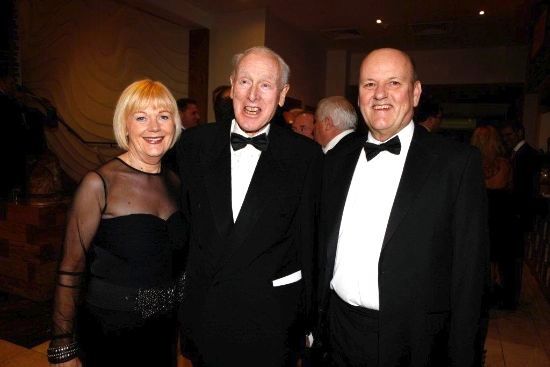
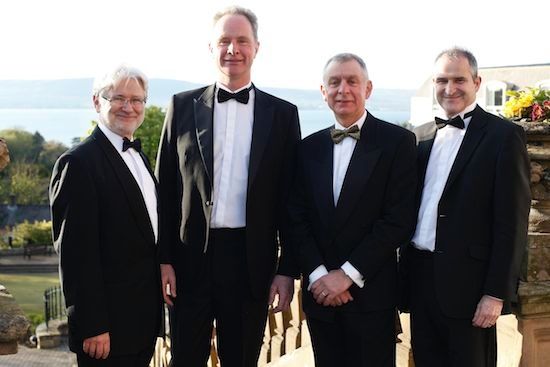
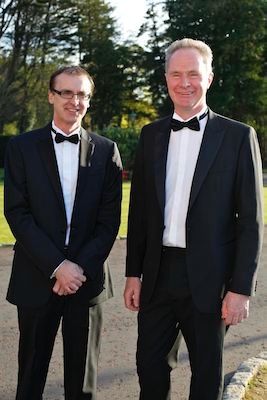
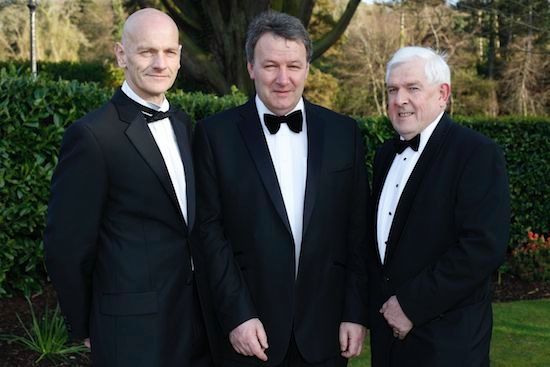
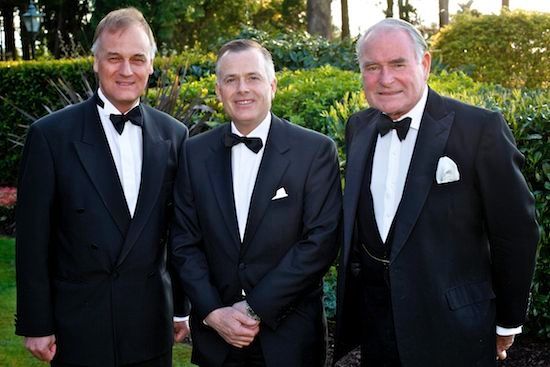
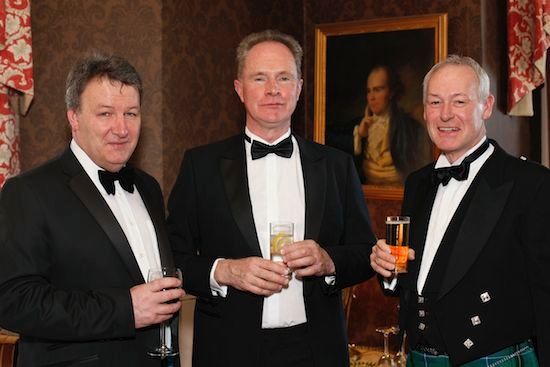
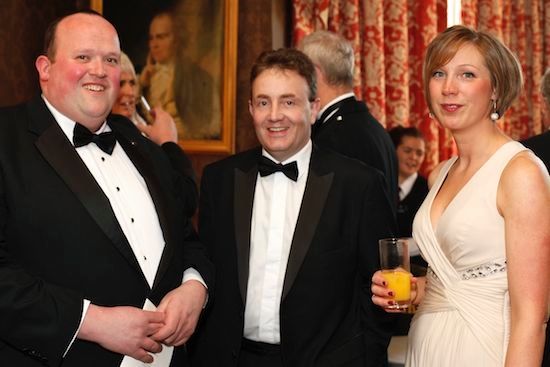
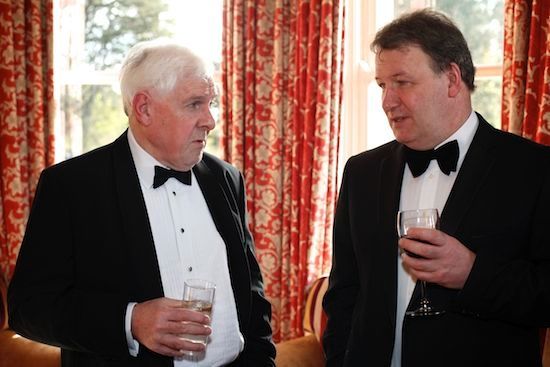
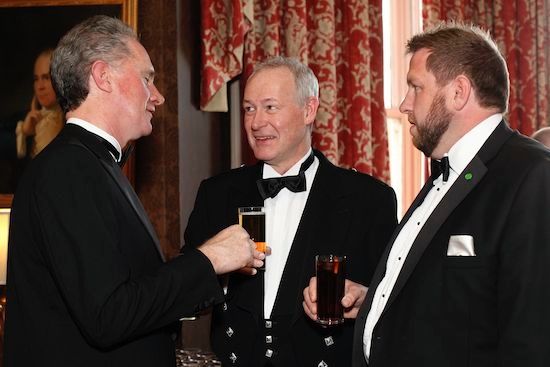
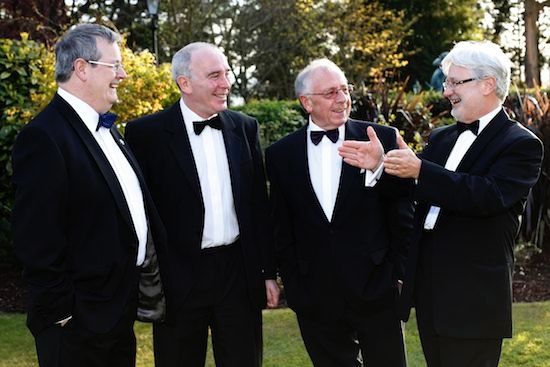
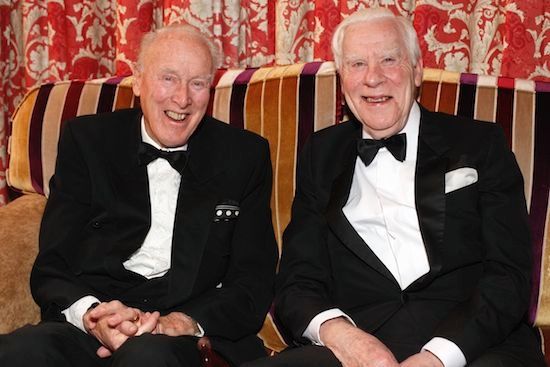
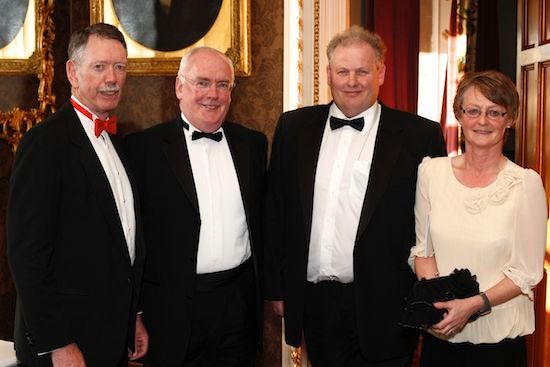
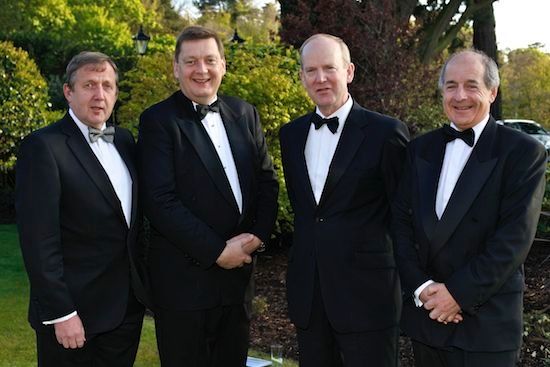
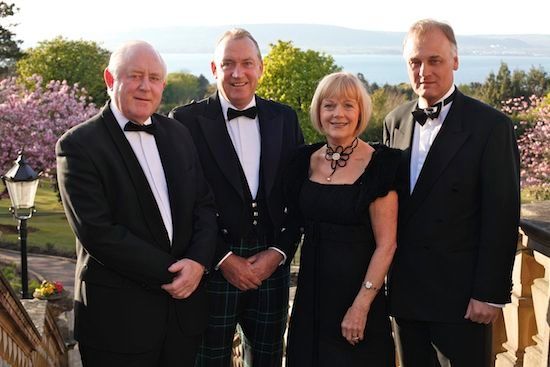
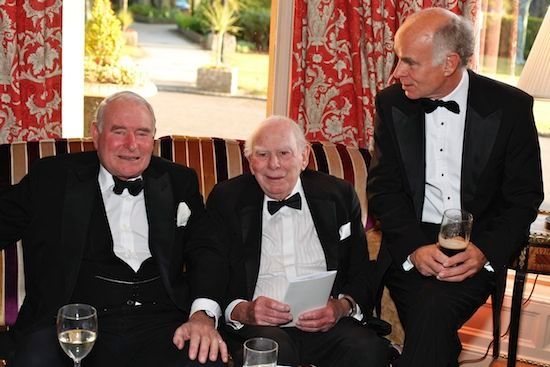
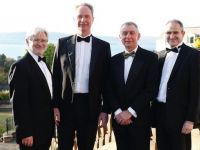
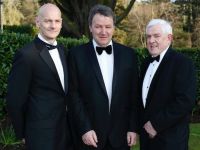
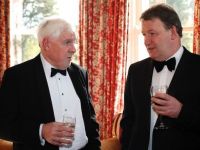
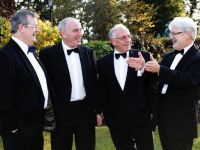
NIGTA Annual Dinner 2012










Claudine Heron, President of the NI Grain Trade Association comments on feed material price trends:
Global commodity prices rise on weather concerns
Global grain and feed prices have continued their sharp increase over the past few weeks as weather events threaten output potential in some of the worlds’ main exporting regions.

After a favourable start to the campaign a scorching Southern Hemisphere summer has dried up hope that Argentina might replenish global corn supplies after a lacklustre US harvest. Argentina is normally the second largest exporter of corn after the US but, hot and dry conditions during the crucial flowering stage in December and January, have reduced production estimates from around 30 million tonnes to 20 million tonnes. With world corn stocks at historically low levels relative to demand the market is nervous and prices have increased £20 tonne from the lows seen in December.
The drought has also affected soya production in Southern Brazil and Argentina but the damage should not be as severe as corn. Although timely rains arrived in some areas - irreversible damage has been caused elsewhere and production is currently forecast to be 5-10% below last year. Soya prices have also been supported by the strength of corn and the expectation that maize plantings will increase at the expense of soya in the US this spring. Chicago soymeal futures have jumped £40 tonne from the December lows and with corn providing better rewards at current price forecasts we can expect soya prices to remain strong in the short term.
As more favourable weather sweeps across the corn/soya areas of Brazil and Argentina the focus has switched firmly to Europe where the market is trying to assess the impact of severe winter weather on crops. Wheat futures hit an 8 month high in France as freezing temperatures spread to Western Europe from the Black Sea region with parts of Russia and Ukraine suffering most. Poor weather during planting, a lack of snow cover and temperatures falling to subzero, at minus 33 degrees Celsius could see the Ukrainian winter grains harvest fall to 12-14 million tonnes from 22 million last year. The cold weather is also hampering movement of materials, slowing exports from the region and further supporting prices. Cold temperatures are expected to last towards the weekend but it is too early to tell what damage, if any, has been done in Western Europe.
The question now is - to what extent the bad news has already been reflected in current pricing and what uncertainty will remain until we get closer to the South American harvest and winter grains come out of dormancy in Europe. In the meantime we can expect prices to remain volatile as the market monitors weather and crop development for the next few months.
None of this will bring any comfort to local livestock producers with the lack of good news bound to be reflected in higher feed costs in the short term at least.
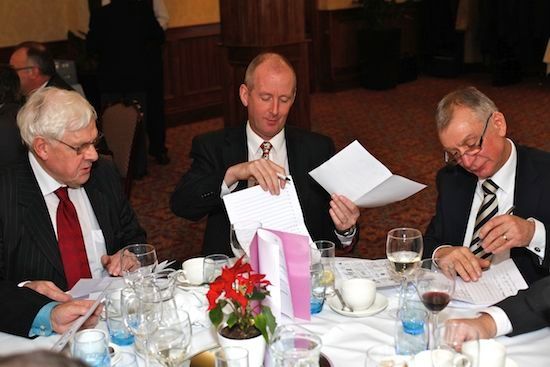
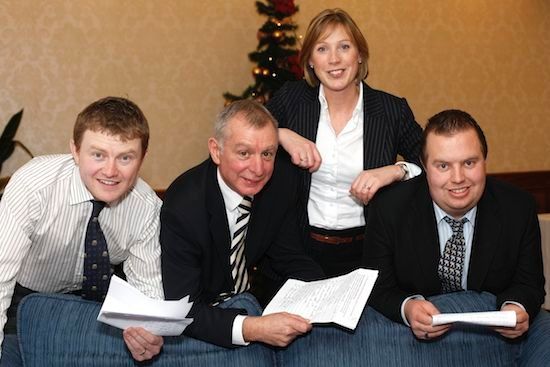
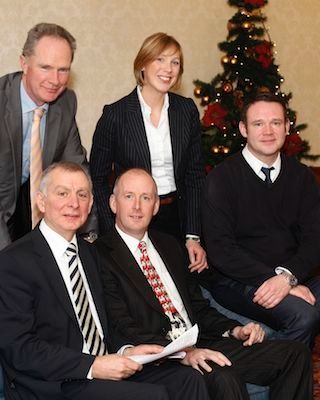
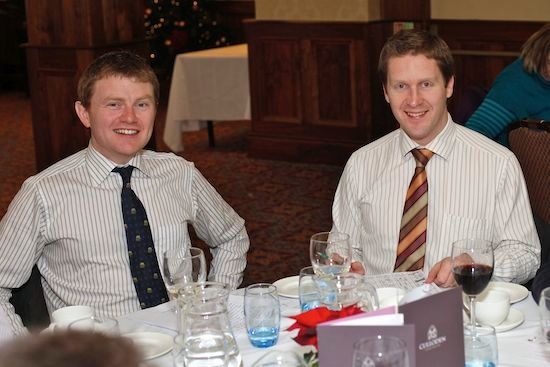
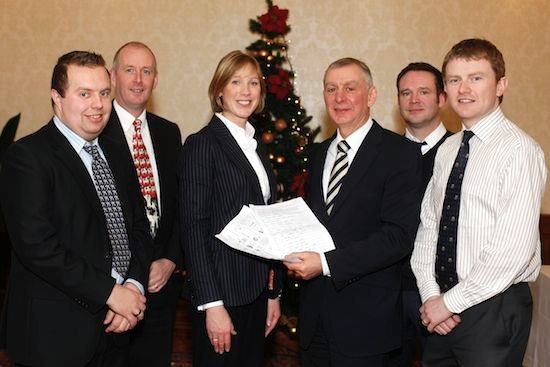
Christmas lunch for the members of the Northern Ireland Grain Trade Association included a test of their knowledge of famous sayings and local food products.

The lunch followed a series of meetings where various specialist committees met to discuss and update information on all apsects of the feed/food chain which impacts on their business and the areas where they can work with their partners in the chain to make it both safer and more efficient.
During lunch the discussion changed to a competition which assessed their knoweldge of famous sayings and one which dealt with general knowledge and local food products.
After much deliberation and friendly banter the entries were scored by photographer, Columba O'Hare of Fotacol and the outright winner in both competitions was Robin Irvine of Fane Valley Feeds. In second place in the "famous sayings" competition was Peter Davison of James Tolland and Co. and in third place was Jim Uprichard of Trouw Nutrition.
Following Robin's lead in the general knolwledge and local food products competition was Alan Thompson of John Thompson and Sons and in third place was David Mawinney, G E McLarnon and Sons.
The event ended with complimentary refreshments provided by NIGTA President, Claudine Heron and competition prizes supplied by NIGTA secretary, Doris Leeman were presented by Columba O'Hare.
NIGTA Christmas Lunch 2011



- You are here:
-
Home

- NEWS-UPDATE