Speech from President, Declan Billington
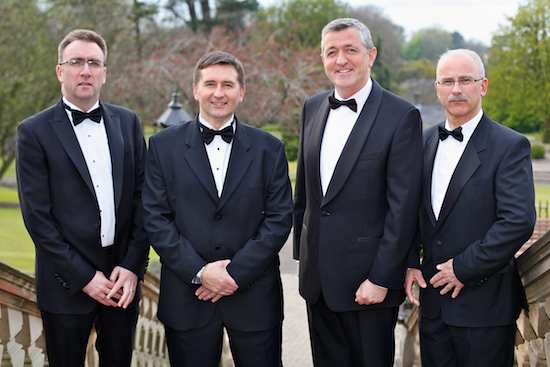
Historically Northern Ireland has enjoyed world wide fame in Shipbuilding, Textiles and Agriculture. Three industries that drove the once dynamic regional economy of Northern Ireland. However in less than a generation two of these industries, Ship building and Textiles have all but disappeared. . Only one industry has survived – agri food. While shipbuilding and textiles experienced a dramatic decrease last century, and the service sector and Information Technology are victims of the most recent recession. agri food has continued to buck the trend , continuing to grow in terms of Output and Value added and represents £1.7 billion of export sales and adds £900million of value each year to the economy (excluding subsidies).
Co-operation across the industry to continue and support this growth, was the theme outlined by Declan Billington, President of the Northern Ireland Grain Trade Association when he addressed the Association’s annual dinner .
A co-operative agri food effort to lobby government on agri-food issues along with co-operative efforts across the supply chain to enhance standards and thus avoid threats which could close down the agri food industry overnight, were the key points of his speech.
He said “NIGTA will continue to lobby Government on those issues so important to the future of our industry, and most importantly, will work with others from across the industry to create a shift in the mindset of all our politicians. Getting them to recognise the true value of what we have to offer and challenging them to move from words of support to actions that actually do support our industry.“
Secondly it will continue the work of the Past President, Garth Boyd, on further enhancing our Quality Assurance Schemes to better protect us all from those contamination threats that could shut our industry down overnight. Threats like the recent Dioxin or melamine scares have put the spotlight squarely on the agri food supply chain. Government Departments from around the world are now testing meat, poultry and dairy products for many more contaminants, to much finer levels and with much more vigour than ever before.
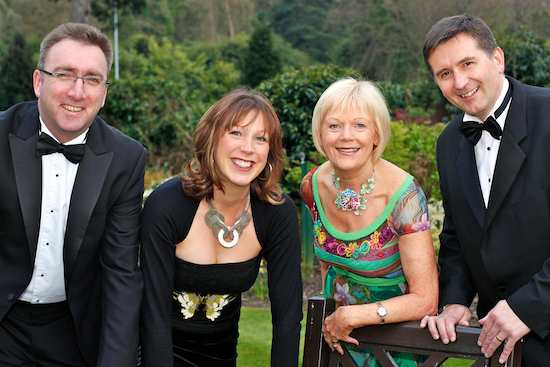
Declan went on to point out that the design of the seat of Government in Northern Ireland, Stormont itself, reflected the historic contribution Agriculture has made to the economy over the centuries…A visitor glancing up to the ceiling in the public gallery of the Senate Chamber cannot miss the three frescos there. Three Frescos representing the three great industries of Shipbuilding, Textiles and Agriculture which at the time of Stormont’s construction were the powerhouse of the Northern Ireland Economy, then one of the most prosperous regions of the UK and Europe. A place where the skills, enterprise and push of businessmen created globally competitive industries that took on the rest of the world, and for a number of decades, won. Today only one of those industries effectively remains, however it is one we can all be proud of. Agriculture.”
He added “ I have noted the irony of history repeating itself. Standing in the jaws of one of the severest recessions in history, we have seen the demise of the sunrise industries of the Service Sector and IT that were to drive the Northern Ireland Economy forward into a brave new world. Yet Agriculture, Food and Drink combined is still growing in this recession, representing approximately £1.7bn of export sales and adding £900m of value annually to our economy. It may not be a sexy industry but agriculture was, is and always should be a key sector of our economy.”
More importantly however, he believes that of all the major sectors valued by the economists, Agriculture is the most critical. because, through its exports, it continues to inject significant amounts of new money into Northern Ireland, year after year, whilst the other large sectors of Services, Construction, Wholesale and Distribution are only recyclers of the money posted to Northern Ireland by Treasury in London.
“The Executive should be supporting today’s entrepreneurs and businessmen who, have built world class businesses at every stage of our export focussed supply chain. They should be removing the bureaucratic roadblocks that stunt the growth of our industry, and instead, stand shoulder to shoulder with us, encouraging its growth.”
“ The Planning and Environmental Agencies for example, must receive clear direction from our Executive to support businesses that have a responsible approach to the environment, rather than seek to trip them up. To value other peoples jobs as much as they would value their own and to play their part in helping create and retain responsible employment. At farm and business level the beauracratic delays and costs to businesses must be removed if our growth is not to be inhibited and fleeting opportunities missed
“In protecting the environment Northern Ireland can, with one stroke of a minister’s pen implement a reduction of phosphates by half. Through approval of the Rose Energy project we not only protect a globally competitive poultry industry from regulations that could otherwise shut them down , but can avoid a further squeeze on the Dairy, Pig and Beef industries that will feel the pain of tighter phosphate regulation by Europe if this project is further delayed.”
Referering to the second point of his “ Manifesto”, supply chain security, Declan made the point that it’s not always up to someone else to manage our problems for us, but that the industry itself had a role to play in safeguarding its own future. He pointed out other companies in different industries around the world have faced similar challenges to their supply chain and have worked together to eradicate the risk
“ In the aircraft industry, hundreds of companies are tied together in consortiums to make aircraft. If one company takes a shortcut with quality, planes start to fall out of the sky, and all companies in the chain find their business at risk.”
“Is our industry any different? “ he asked the audience.
Referring to the recent crises surrounding Toyota he highlighted that they had only lately learned the hazards of growth without due regard to developing a safe supporting supply chain.
Quoting the President of Toyota who said he was putting safety first, quality second, volume third he reminded the audience that those were the foundations on which Toyota grew rapidly in the first place. By making Safety and Quality the essence of their brand, volume naturally followed to make them one of the largest car manufactures in the world, before they forgot their roots..
“So how do we avoid our industry crashing in the future on the back of some new food scare?” he asked and then went on… “ By working together to enhance, at every stage of our supply chain, our quality assurance schemes, and in so doing to build a robust quality supply chain from Port to Plate. A Fortress Ireland approach that closes the door on the loopholes that lets unassured product in, where all of our sectors commit to a common and exclusive standard, building and enhancing on the best that already exists. A supply chain where end processors require that if you’re not part of the Quality Assured solution then, like the aircraft and automotive industries, you’re not in their supply chain.
Explaining how this might happen Declan pointed out that representatives from all parts of the supply chain, under the guidance of Professor Pat Wall, of University College Dublin and former Chairman of the European Food Safety Authority have formed a working Group to look at this.
“The animal feed sector itself, is tasked with finding a cost effective solution that all in our sector can buy into, a solution that ideally would be an all island solution that does not disadvantage one company over another or one region over another.” he said, noting the close working relationship with the Irish Grain ans Feed Association on developing an all Island Approach.
He concluded “ Over the next few months the NIGTA Executive will work to but flesh on the bones of this concept, learning from the best that exists elsewhere and engaging with stakeholders on how best to take forward recommendations on an industry wide basis, that helps protect us all against the inevitable threats that lie ahead.
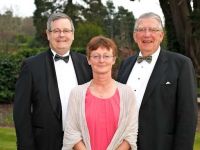
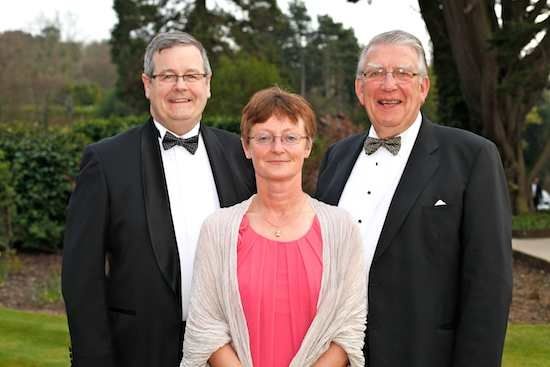
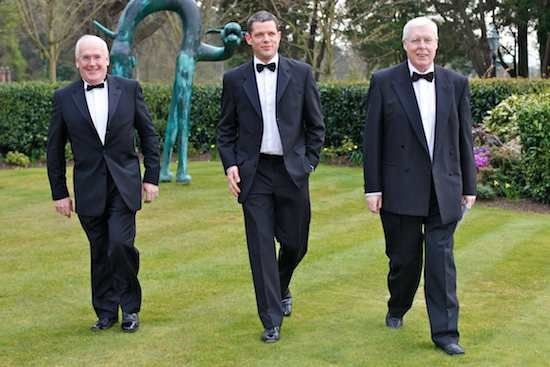
NIGTA Annual Dinner 2010